Table Of Contents
Uses of Cactus Silk
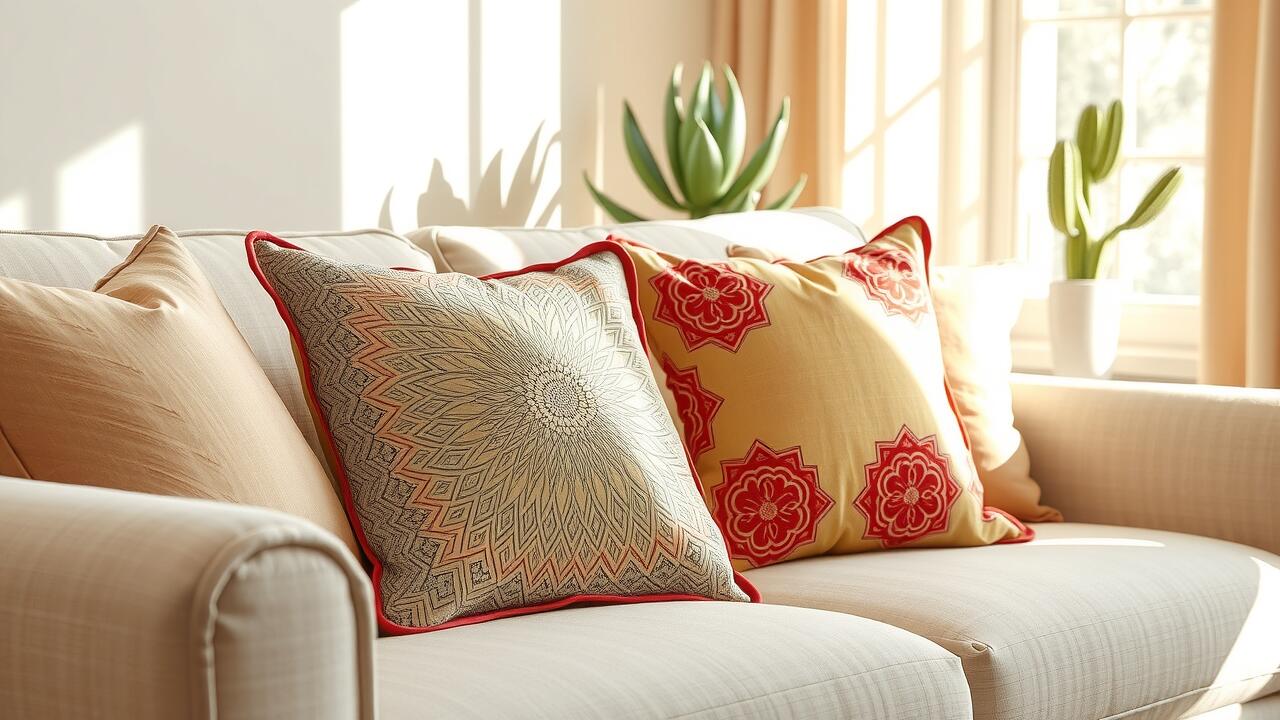
Cactus silk, known for its unique texture and durability, has become increasingly popular in various applications. In fashion, it is often used to create exquisite garments such as dresses, scarves, and bags. Designers appreciate its lightweight, breathable qualities, making it suitable for both summer and transitional weather. Beyond clothing, this eco-friendly fabric has found a place in the realm of home décor, featuring in items like cushions, tapestries, and wall hangings. Its vibrant colors and patterns enhance interior designs, adding an artisanal touch that stands out.
The versatility of cactus silk extends to its role in sustainable luxury. Many artisans and brands are embracing it due to its biodegradable nature, aligning with growing consumer demand for environmentally responsible products. Cactus silk's inherent strength also means it can withstand regular use, making it a practical choice for both fashion accessories and home items. As awareness of sustainable practices increases, the use of cactus silk continues to inspire innovative designs across various industries.
Here is a great resource for anyone looking to expand on this topic.
Fashion and Home Décor Applications
Cactus silk is increasingly making its mark in the fashion world due to its unique aesthetic and sustainable nature. Designers utilize this luxurious material to create a variety of garments, from elegant dresses to stylish accessories. The fabric's subtle sheen and soft texture add a distinctive flair, making it a go-to choice for those seeking to combine eco-friendliness with high fashion. Additionally, its lightweight properties make it suitable for both warm and cooler climates, allowing for versatile styling options.
In the realm of home décor, cactus silk is celebrated for its visual appeal and resilience. Its use in textiles for cushions, throws, and wall hangings brings warmth and character to any space. The vibrant colors and intricate patterns characteristic of cactus silk often reflect traditional artisan techniques, adding a cultural touch to modern interiors. Moreover, the fabric's durability ensures that it can withstand everyday wear while maintaining its beauty, making it a practical choice for decor enthusiasts.
Care Instructions for Cactus Silk
To maintain the beauty and integrity of cactus silk, gentle handling is essential. Washing should be done by hand using cold water and mild soap. Avoid rubbing or scrubbing, as this can damage the delicate fibers. Rinse thoroughly to remove any soap residues, ensuring the fabric retains its luster. Air drying is preferred; lay the fabric flat or hang it in a shaded area to prevent exposure to direct sunlight, which can lead to fading.
Storing cactus silk requires caution to prevent creasing and damage. It is best kept in a cool, dry place away from direct sunlight. Avoid folding it if possible; instead, roll it gently to maintain its shape. When ironing is necessary, use a low heat setting and place a cloth between the iron and the silk to avoid direct contact. This will help preserve the texture without causing harm to the fibers.
Maintenance Tips
Cleaning cactus silk requires a gentle approach. Soak a soft cloth in cold water mixed with a mild detergent to wipe away dirt or stains. Avoid using harsh chemicals or bleach, as these can damage the fibers and alter the fabric's texture. It is essential to test any cleaning solution on a small, inconspicuous area first to ensure no adverse effects occur.
When it comes to drying, air drying is highly recommended. Lay the fabric flat in a shaded area to prevent direct sunlight from fading its color. Using a dryer is not advised, as the heat may cause shrinkage or warping. To maintain the fabric's natural luster, store items made from cactus silk in a cool, dry place, away from prolonged exposure to moisture and humidity. Regularly check for signs of wear or damage to prolong the lifespan of your cactus silk products.
Why Choose Cactus Silk?
This natural fabric stands out due to its sustainability. Cactus silk is derived from the fibers of the Agave plant, which requires minimal water and resources compared to traditional textiles. The production process has a lower environmental impact, making it an attractive choice for eco-conscious consumers.
Durability is another key advantage of cactus silk. This fabric is not only lightweight but also resistant to wear and tear. Its strength allows it to maintain its quality over time, making it suitable for various applications, from clothing to home textiles. The unique texture and vibrant colors further enhance its appeal, allowing for creative designs in both fashion and décor.
Benefits Over Other Fabrics
Cactus silk offers a unique combination of environmental benefits and aesthetic appeal. Sourced from the fibers of the agave plant, it serves as a sustainable alternative to conventional silks and synthetic fabrics. This natural material is biodegradable and requires significantly less water during cultivation than cotton, making it a more eco-friendly choice for conscious consumers.
In addition to its sustainability, cactus silk is known for its durability and versatility. The fabric is lightweight yet robust, allowing it to withstand wear and tear better than many other textiles. Its natural resistance to dust and dirt makes it relatively easy to maintain while also providing a luxurious feel that rivals traditional silk. The vibrant colors and textures derived from natural dyes enhance its charm, making it suitable for a wide range of fashion and home décor applications.
FAQS
What is cactus silk made from?
Cactus silk is made from the fibers of the Agave plant, primarily the Agave sisalana species, which are harvested and processed to create a lightweight and durable fabric.
How is cactus silk different from traditional silk?
Unlike traditional silk, which is produced from silkworms, cactus silk is a plant-based fabric, making it a more sustainable and vegan-friendly option. It also tends to be more durable and resistant to damage.
Is cactus silk environmentally friendly?
Yes, cactus silk is considered environmentally friendly as it is derived from a renewable resource, requires minimal water compared to cotton, and is biodegradable, making it a sustainable choice for consumers.
How should I care for cactus silk items?
Cactus silk items should be hand-washed with cold water and mild detergent. Avoid using bleach or harsh chemicals, and it's best to air dry them away from direct sunlight to maintain their color and integrity.
Can cactus silk be used for both fashion and home décor?
Absolutely! Cactus silk is versatile and can be used in various applications, including clothing, accessories, and home décor items like cushions, rugs, and throws, making it a popular choice in both fashion and interior design.