Table Of Contents
Unique Features of Berber Pillows
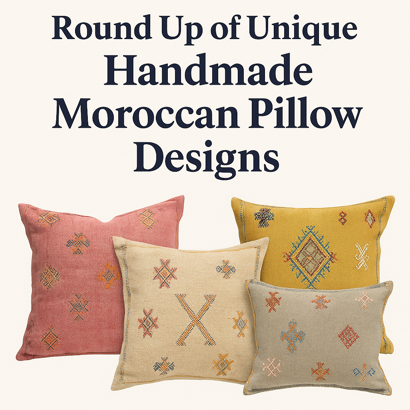
Berber pillows are renowned for their striking designs and unique textures. Crafted by skilled artisans, these pillows often feature rich, vibrant colors drawn from the natural landscapes of Morocco. The intricate handwoven patterns reflect the cultural heritage of the Berber tribes, with each design telling a story unique to its creator. The use of traditional materials, such as wool and cotton, adds to the charm, resulting in products that are not only aesthetically pleasing but also durable and functional.
The textures of Berber pillows are particularly notable. Many showcase a combination of soft, plush surfaces alongside coarser weaves, creating a tactile experience that is both inviting and versatile. Often adorned with tassels, fringes, or shaggy details, these pillows embody a sense of warmth and coziness. Their versatile nature makes them suitable for various interior styles, from the rustic appeal of woven pillows to the elegance of Sabra silk, allowing them to enhance a space effortlessly while serving as a focal point in any room.
Have a peek at this blog for further readings.
Understanding the Symbolism of Berber Patterns
Berber patterns originate from the rich cultural heritage of the Amazigh people, who have inhabited North Africa for centuries. Each design often reflects significant historical narratives, beliefs, and traditions. Common motifs include geometric shapes, stylized animals, and symbols representing fertility and protection. These elements provide insight into the daily lives and spiritual beliefs of their creators, making each pillow a storytelling artifact.
The colors used in these designs are also deeply symbolic. Bright reds and earthy tones can signify strength and resilience, while blues may represent the sky and water, essential elements in the arid landscape of Morocco. Artisans often choose colors based on personal significance or regional influences, resulting in unique combinations that carry meaning. This thoughtful approach to design contributes to the overall aesthetic and emotional resonance of the pillows, appealing to both collectors and those seeking to enhance their living spaces.
The Role of Moroccan Pillows in Modern Design
Moroccan pillows have evolved beyond their traditional roots to become essential elements of modern interior design. Their vibrant colors and intricate patterns add warmth and texture to contemporary spaces. Designers admire these pieces for their ability to enhance a room's aesthetic while maintaining a sense of authenticity. Incorporating these pillows into various decor styles creates a unique focal point and promotes a global eclectic look.
The versatility of Moroccan pillows allows them to blend seamlessly with diverse furniture styles. Whether placed on a minimalist sofa or paired with a beautiful Moroccan rug, these handcrafted items enrich the visual narrative of any space. Homeowners often appreciate the tactile quality of the textiles, inviting an appreciation for artisanal craftsmanship. Ultimately, Moroccan pillows serve not only as functional accessories but also as artistic statements that celebrate rich cultural heritage.
Blending Traditional Craft with Contemporary Aesthetics
Moroccan pillows have seamlessly integrated into modern interiors, balancing timeless craftsmanship with contemporary design principles. Artisans create pieces that reflect traditional techniques, such as hand-woven textures and intricate patterns, while designers often use these elements to enhance minimalist or eclectic settings. The versatility of these pillows, including unique pieces like Handira wedding pillows, makes them suitable for various themes, whether used as accent pieces or statement items in a room.
Consumers increasingly seek authenticity in their decor. Many designers collaborate with Moroccan artisans to create unique collections that honor heritage while appealing to modern tastes. This fusion showcases how traditional craftsmanship can stand alongside sleek furniture and contemporary art, adding warmth and character to living spaces. Each handmade pillow tells a story, embodying cultural significance while fitting seamlessly into today’s aesthetic preferences.
Top Places to Purchase Authentic Moroccan Pillows
Exploring local markets in Morocco can lead to discovering unique pillow designs crafted by skilled artisans. Cities like Marrakech and Fes are renowned for their vibrant souks, where handmade goods are abundant. These markets often feature a variety of fabrics and designs, allowing shoppers to immerse themselves in the cultural significance of every piece. Many craftspeople are happy to share the stories behind their work, adding an enriching layer to the buying experience. For those who want to try the craft themselves, it's even possible to find an authentic rug-making workshop in Marrakech.
For those who prefer online shopping, several reputable websites specialize in authentic Moroccan pillows. Platforms like Etsy and specialty home décor sites such as Kechart offer curated selections from artisans. Purchasing from these sources not only supports traditional craftsmanship but often guarantees quality and authenticity. Detailed product descriptions and customer reviews help buyers make informed choices while still enjoying the charm of handmade goods from afar.
Where to Find Quality Handmade Options
Exploring local markets in Morocco can lead to discovering exceptional handmade pillows. The vibrant stalls often feature artisans who create unique pieces that reflect the rich cultural heritage of the region. Bargaining is part of the experience, so visitors can enjoy both the thrill of negotiation and the joy of selecting a one-of-a-kind item.
For those who prefer online shopping, various platforms specialize in authentic Moroccan crafts. Websites focusing on fair trade and handmade goods usually feature a selection of artisanal pillows and even offer options for custom rugs to create a fully coordinated look. This option offers convenience while ensuring that buyers support traditional crafts and sustainable practices.
FAQS
What are Berber pillows, and what makes them unique?
Berber pillows are handmade textiles originating from the Berber tribes of Morocco. They are unique due to their intricate patterns, vibrant colors, and the traditional techniques used in their creation, often featuring symbolic designs that reflect the culture and heritage of the Berber people.
How do Berber patterns symbolize cultural significance?
Berber patterns often carry deep cultural meanings, with different motifs representing concepts such as fertility, protection, and community. These symbols have been passed down through generations and are often used to tell stories or convey messages about the weaver's identity and experiences.
Can Moroccan pillows fit into modern interior design styles?
Yes, Moroccan pillows can seamlessly blend with various modern interior design styles, adding a touch of color, texture, and cultural richness. Their unique designs can complement contemporary aesthetics while maintaining a sense of traditional artistry.
Where is the best place to buy authentic Moroccan pillows?
Authentic Moroccan pillows can be found in various places, including local Moroccan markets, specialty home decor boutiques, and online retailers that specialize in handmade or artisanal products. It's important to look for reputable sellers to ensure the quality and authenticity of the pillows.
What should I consider when purchasing handmade Moroccan pillows?
When purchasing handmade Moroccan pillows, consider factors such as the quality of materials used, the authenticity of the design, the craftsmanship, and the overall aesthetic that fits your home decor. Additionally, check for reviews or ratings of the seller to ensure a positive purchasing experience.