Table Of Contents
How to Care for Cactus Silk Products
Cactus silk products require gentle handling to maintain their unique texture and appearance. Regular dusting with a soft, dry cloth helps prevent dirt build-up and keeps the fabric looking fresh. When it comes to washing, use cold water and a mild detergent, avoiding harsh chemicals that could damage the fibers. It’s best to hand wash these items to ensure a thorough yet delicate clean.
Storing cactus silk properly is essential for longevity. Avoid direct sunlight to prevent fading, and keep the items in a cool, dry place. When folding or packing cactus silk, ensure it retains its shape by not cramming it with heavy items. Using protective bags or tissue can help retain the natural luster while preventing wrinkles.
Find out further details by clicking here.
Cleaning and Maintenance Tips
Keeping cactus silk products clean is essential for maintaining their unique texture and durability. Regularly dusting with a soft cloth helps remove debris and prevents dirt buildup. For more thorough cleaning, use a damp cloth with mild soap when necessary. It's important to test any cleaning solution on a small, inconspicuous area first to ensure it does not affect the fabric's color or texture.
Avoid using harsh chemicals or machine washing, as these can damage the delicate fibers. Cactus silk should be air-dried away from direct sunlight to prevent fading and maintain its natural luster. Storing items in a cool, dry place when not in use helps prevent potential damage from moisture or pests. Proper care will enhance the longevity and beauty of cactus silk products.
Recognizing Authentic Cactus Silk
Authentic cactus silk is derived from the fibers of the Agave plant, particularly the Agave sisalana species. This natural material exhibits unique characteristics that can help consumers identify its authenticity. A genuine cactus silk product will have a slightly rough texture, giving it a distinctive feel compared to synthetic alternatives. Additionally, authentic fabrics maintain a soft luster that reflects the light beautifully. The colors are typically vibrant, showcasing the natural dyes used in the weaving process, which further underscores their handmade quality.
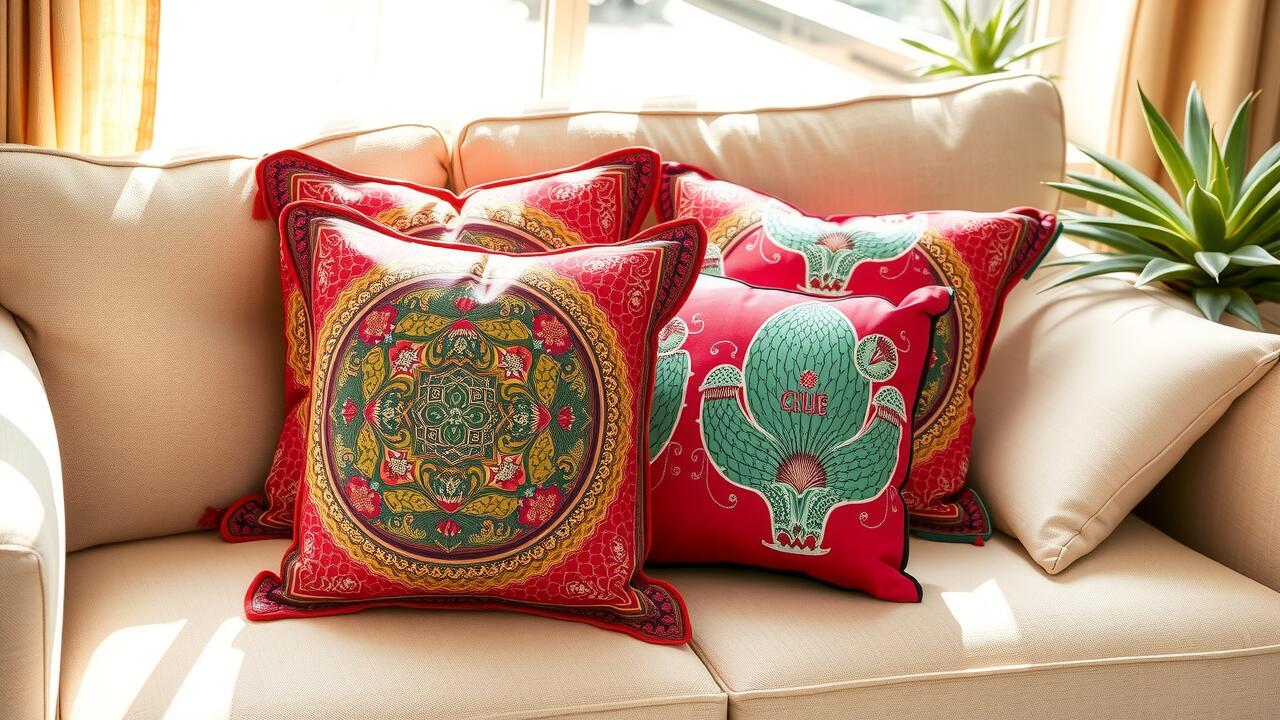
When evaluating cactus silk products, examining the craftsmanship is equally important. Authentic pieces, like natural Sabra pillows, often feature intricate patterns and designs, highlighting the skill of the artisan who created them. Discrepancies in pattern consistency or loose threads may indicate a lower quality item. It’s also essential to consider the source of the product. Purchasing from reputable artisans or well-known brands significantly increases the likelihood of obtaining genuine cactus silk, as these vendors are more likely to prioritize quality and authenticity.
Identifying Real vs. Fake
Cactus silk, often marketed as a luxurious alternative to traditional silks, can be deceptively similar to synthetic versions. The first step in identifying authentic cactus silk is to examine the texture. Genuine cactus silk has a soft, slightly waxy feel, while fake versions may come across as more rigid or overly smooth. Additionally, cactus silk often displays a natural sheen without the excessive glossiness sometimes found in synthetic fabrics.
Another effective method for verification involves checking the color and patterns. Authentic cactus silk typically showcases rich, vibrant colors derived from natural dyes. These colors tend to be slightly irregular, reflecting the traditional artisan methods utilized in its production. In contrast, imitation varieties often feature uniform and overly bright colors, lacking the depth of true cactus silk. Furthermore, examining the weave can provide insight; real cactus silk usually presents a handwoven, unique design, while synthetic imitations often exhibit machine-made patterns that appear repetitive.
Market Trends for Cactus Silk
Cactus silk has seen a noticeable rise in popularity across various markets. This surge can be attributed to a growing consumer preference for sustainable and eco-friendly materials. As awareness of environmental issues increases, shoppers are more inclined to seek out products that not only look good but also align with their values of sustainability. Designers and brands are responding to this trend by incorporating cactus silk into their collections, from pillows to large-scale Moroccan rugs, highlighting its unique texture and natural origins.
The demand for cactus silk is particularly pronounced in the fashion and home decor sectors. Artisans and manufacturers are capitalizing on the material's versatility, creating everything from luxurious garments to stylish home accessories. Social media platforms play a significant role in driving this trend, with influencers showcasing cactus silk products and educating their audiences about the benefits of choosing sustainable textiles. This shift in consumer behavior indicates a broader acceptance and appreciation for alternative materials in the fashion industry.
Growing Popularity and Demand
The trend for cactus silk has seen a significant uptick as consumers increasingly prioritize sustainable and eco-friendly materials. Ethically sourced, this biodegradable fabric appeals to environmentally conscious shoppers who seek alternatives to conventional textiles. As a result, the demand for products made from cactus silk is rising, with brands incorporating this material into their offerings. This shift aligns with a broader movement toward sustainable fashion, where customers are more informed about the environmental impact of their purchases.
Artisans from regions where cactus silk is traditionally made, such as Morocco, have gained recognition for their craftsmanship and cultural heritage. The unique qualities of cactus silk, including its softness, durability, and intricate designs, enhance its desirability among luxury and artisanal markets. Collaborations between designers and local artisans further elevate the profile of cactus silk products, creating a fusion of traditional techniques and modern aesthetics that resonates with a global audience. Such partnerships not only support local economies but also help to bring the beauty and versatility of cactus silk into the spotlight. For those interested in the craft, some companies even offer a craft box to weave your own masterpiece.
Explore More
- Explore a Wide Range of Moroccan Rugs at MyRugy
- Turn Any Image into a Custom Rug
- Book an Authentic Rug-Making Workshop in Marrakech
- Shop for Moroccan Pillows at Kechart
- Discover Woven Moroccan Pillows
- Explore Elegant Handira Pillows
FAQS
What is cactus silk made from?
Cactus silk is made from the fibers of the Agave plant, specifically the Agave sisalana, which is harvested, processed, and woven into textiles.
How can I tell if a cactus silk product is authentic?
To identify authentic cactus silk, look for labels that indicate the material is made from Agave fibers, check for a soft and shiny texture, and examine the craftsmanship for quality stitching and patterns.
Can cactus silk be washed?
Yes, cactus silk can be washed, but it is recommended to hand wash it in cold water with a gentle detergent to maintain its quality and appearance.
Is cactus silk environmentally friendly?
Yes, cactus silk is considered environmentally friendly since it is derived from a renewable resource, requires less water than cotton, and is biodegradable.
What are the benefits of using cactus silk products?
Cactus silk products are lightweight, breathable, and durable, offering a unique aesthetic while being sustainable and eco-friendly. They also have a natural sheen that enhances their appeal.